Introduction
SaaS spend rarely explodes because of one bad decision. It creeps up quietly—one tool per team, a few extra licenses here, renewals auto-approved there—until finance asks a simple question: “Why are we paying for all this?”
After working with IT, ops, and leadership teams for over 12+ years, I’ve seen the same pattern repeat: companies don’t overspend because they buy too many tools—they overspend because they don’t know which tools are actually being used.
That’s where SaaS license optimization needs to change its approach.
What Is SaaS License Optimization?
SaaS license optimization is the process of aligning software licenses with actual usage, ensuring organizations pay only for tools and license tiers employees truly need. Instead of relying solely on contracts or assigned seats, modern SaaS license optimization uses app and website usage data to identify unused, underused, or misaligned licenses and reduce unnecessary spend.
Why Most Companies Overspend on SaaS Licenses
Most organizations already think they manage SaaS costs. In reality, they manage procurement, not usage.
Common causes of SaaS overspend include:
- Licenses assigned but never used
- Multiple teams using overlapping tools
- Employees using browser-based SaaS without IT visibility
- “Just in case” licenses that quietly renew every year
Experience insight: In multiple audits I’ve been involved in, 25–40% of SaaS licenses showed little to no real usage. The tools weren’t bad—the visibility was.
According to industry research , organizations waste up to 25% of their SaaS spending on unused or under-utilized licenses, underscoring why monitoring actual usage is key to cost control.
Why App & Website Usage Data Changes SaaS Cost Decisions
The scale of this problem is larger than most teams expect. About half of enterprises waste over 10% of their software and cloud budgets on unused SaaS licenses and services, highlighting inefficiencies in spend visibility and governance. Without usage-level insight, cost control efforts rarely address the root cause.
This is where most competitor content stops short.
Contracts tell you what you bought. Usage data tells you what actually happens.
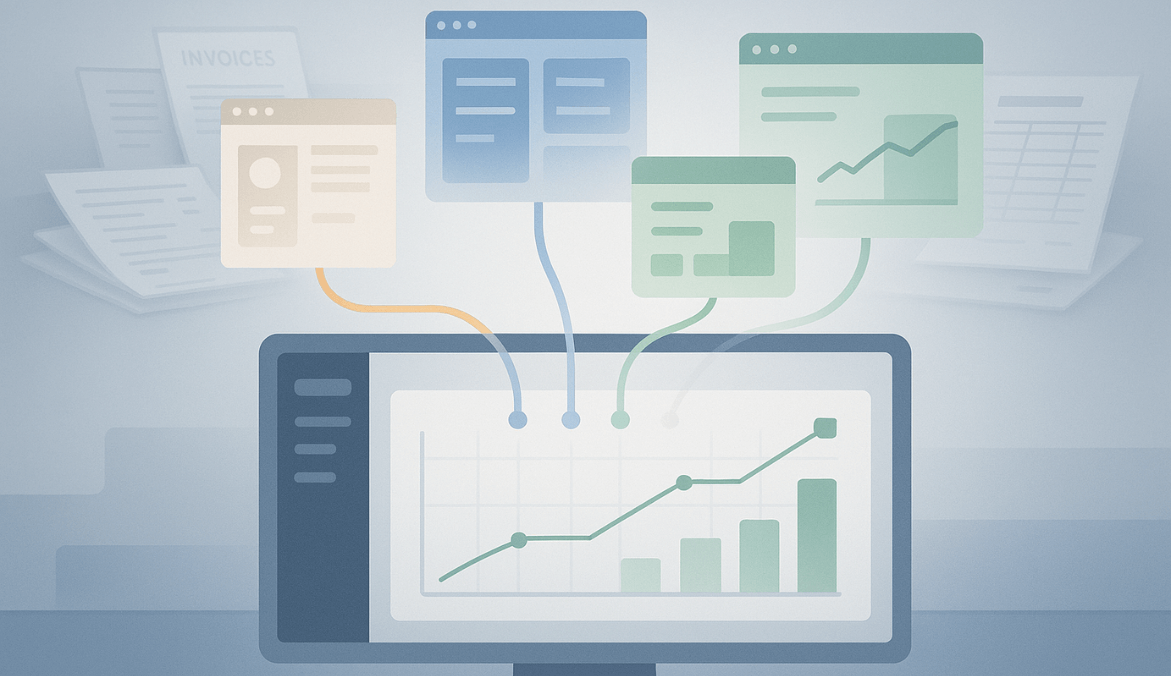
App and website usage data helps you see:
- Which tools are opened regularly vs occasionally
- How long tools are actively used
- Which teams rely on which SaaS products
- Tools accessed via browser that never appear in procurement lists
When you have this data, SaaS license optimization stops being guesswork and starts being evidence-based.
SaaS License Optimization vs SaaS Spend Management
These two are often confused.
SaaS Spend Management focuses on:
- Contracts
- Renewals
- Vendor negotiations
- Invoices
SaaS License Optimization focuses on:
- Actual usage
- License right-sizing
- Reducing unused or misused seats
- Ongoing visibility
Practical lesson: If you negotiate contracts before fixing usage, you lock inefficiencies into better prices—but inefficiencies remain.
The 30-Day SaaS License Optimization Playbook
This is a realistic, execution-friendly approach—not a theoretical framework.
Week 1: Discover Actual SaaS Usage
- Capture app and website usage data across teams
- Identify top tools by usage frequency and duration
- Flag tools with zero or near-zero usage
Experience insight: In almost every environment, the “most expensive” tool isn’t the biggest waste—the quietly unused one is.
Week 2: Map Usage to Roles and Teams
- See which departments use which tools
- Identify duplicate tools serving the same purpose
- Spot license tier mismatches (power licenses for light users)
This step often reveals that the issue isn’t headcount—it’s license alignment.
Week 3: Decide What to Retain, Downgrade, or Remove
- Retain business-critical tools with consistent usage
- Downgrade licenses where advanced features aren’t used
- Remove licenses with no meaningful activity
Balanced perspective: Not every low-usage tool should be cut. Some are seasonal or role-specific. Usage data informs decisions—it shouldn’t automate them blindly.
Week 4: Implement and Monitor
- Reassign or remove licenses
- Communicate changes clearly to teams
- Set a monthly or quarterly SaaS usage review
Experience insight : The biggest long-term savings come from preventing re-sprawl, not from one-time cleanups.
Platform like CloudEagle.io consistently highlight that SaaS optimization programs fail when treated as annual audits instead of continuous processes.
Common SaaS License Optimization Mistakes to Avoid
- Cutting licenses without understanding workflows
- Relying only on finance or procurement data
- Treating optimization as a one-time exercise
- Ignoring employee productivity impact
License optimization should reduce waste—not create friction.
Who Owns SaaS License Optimization?
This is where many efforts fail.
- IT owns visibility and governance
- Finance owns budgets and accountability
- Ops / Leadership own business impact
Experience insight: The most successful programs don’t ask “who controls SaaS?”—they define who sees what and who decides what.
Role-based visibility matters more than centralized control.
How Usage Visibility Enables Ongoing Cost Control
When usage data is continuously available:
- New tool sprawl is detected early
- License creep is stopped before renewals
- Budget forecasting becomes more accurate
- Optimization becomes routine, not reactive
This is how SaaS license optimization moves from firefighting to discipline.
Key Takeaway: SaaS Cost Control Starts with Usage Visibility
- SaaS overspend is usually a visibility problem, not a buying problem
- App and website usage data turns opinions into evidence
- A 30-day, usage-driven approach delivers faster, safer savings
- Sustainable optimization requires ongoing monitoring, not one-time audits
In short: If you don’t know which tools are actually used, you can’t truly optimize SaaS licenses—no matter how good your negotiations are.